The Ultimate Guide to Tile Installation Services: What to Expect
The tile installation process can be both rewarding and complex. Many homeowners must make decisions regarding materials and budgets, as well as the necessity of hiring skilled professionals. Having a clear understanding of what to expect during this process is crucial. Beginning with selecting the ideal tiles and extending to post-installation maintenance, various factors can influence the outcome. What difficulties could emerge, and how might one address them successfully? Answers to these questions will shape the overall experience and satisfaction with the project.
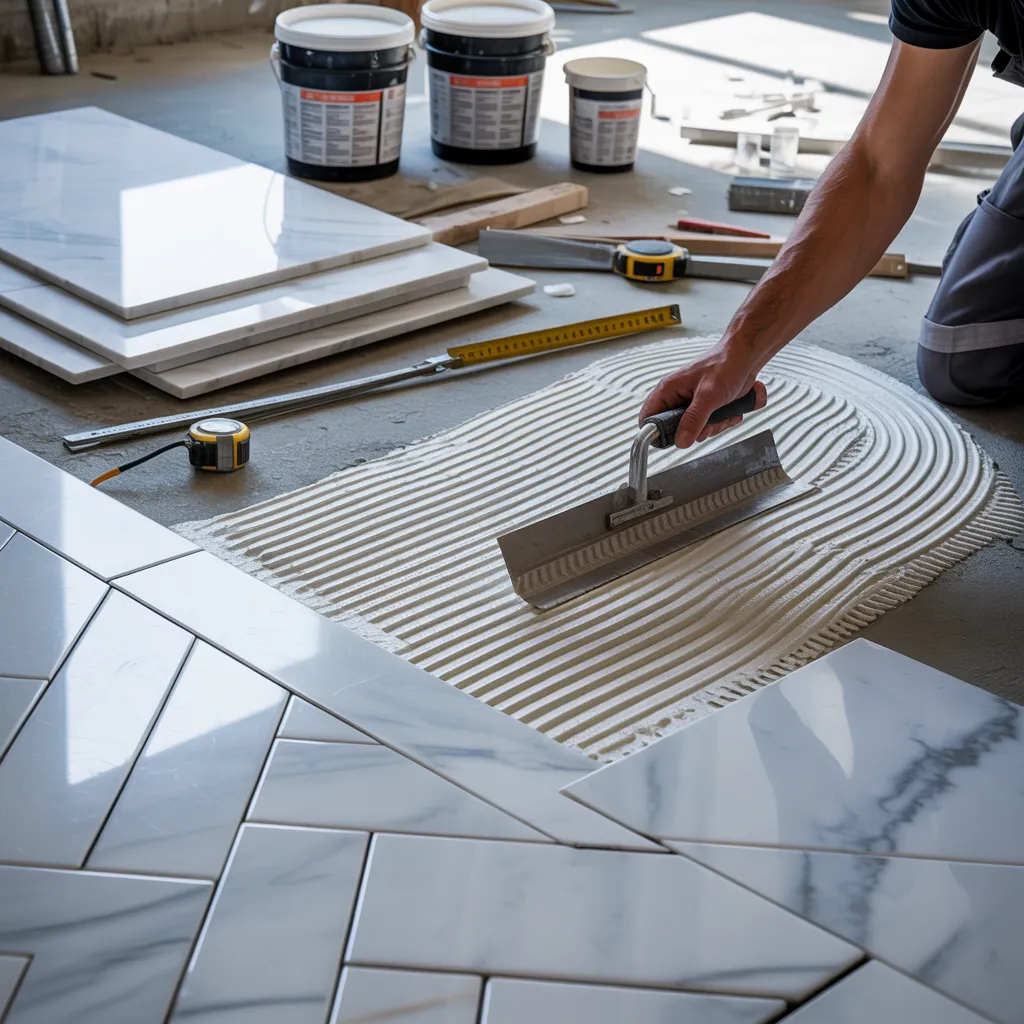
Picking the Ideal Tile Materials for Your Project
When starting a tile installation undertaking, homeowners often focus on selecting the right tile materials. The selection process encompasses various elements, including longevity, appearance, and installation requirements. Common materials include ceramic tile, porcelain, and natural stone, each providing individual qualities and limitations.
Ceramic tiles are favored for their versatility and cost-effectiveness, making them suitable for numerous spaces throughout the home. Porcelain tiles, known for their strength and water resistance, are ideal for high-traffic areas and moist environments. Natural stone options, including marble and granite, provides an upscale look but requires more maintenance and care.
Homeowners should also consider the tiles' finish, size, and pattern to accomplish the intended visual impact. At the end of the day, the ideal selection of materials can elevate the overall aesthetic and practicality of the room, guaranteeing the installation addresses both usability demands and visual expectations.
What to Expect During Your Tile Installation
During a tile installation, homeowners can expect a series of important preparation steps preceding the installation day. Understanding what occurs on-site, from the initial setup to the actual laying of tiles, is essential for a seamless process. This section outlines these key considerations to help clients feel informed and prepared.
Pre-Installation Setup Steps
Getting prepared is critical for a successful tile installation, providing a seamless process and optimal results. Homeowners are advised to start by clearing the installation area of furniture and debris, establishing a clear and organized space for the installers. Subsequently, assessing the subfloor is crucial; it must be level and free of damage to properly support the new tile installation. Any necessary repairs to the subfloor should be completed in advance. Furthermore, choosing the appropriate tile type and arrangement can affect both the visual appeal and practicality, so homeowners are encouraged to discuss options with experienced professionals. Finally, verifying the timeline and any required materials with the installation team will help align expectations and guarantee a seamless start to the project. Proper preparation lays the groundwork for an efficient installation.
Installation Day Expectations
The installation day proceeds through a sequence of structured steps that ensure a successful tile laying process. The team of installers generally arrives ahead of schedule, carrying all essential tools and materials. The team initiates by setting up the work area, confirming that it remains spotless and unobstructed. Following this, the team will measure and mark the layout, allowing for precise tile placement. As the tile laying process begins, they prioritize consistent spacing and proper alignment, often using spacers for accuracy. Based on the total area being covered, the project could span several hours in duration. Once completed, the team will clean the space and provide guidance on the curing period for grout. Homeowners can expect professionalism and attention to detail throughout the entire installation process.
How to Find and Hire the Top Tile Installation Experts
When seeking the top tile installers, how can one assure that the chosen experts possess the necessary skills and reliability? Initially, researching local professionals online can provide invaluable insights. Ratings and reviews from former clients frequently highlight the level of craftsmanship and reliability.
Next, seeking various quotes allows for the ability to compare services and rates, assisting with educated choices. It is critical to verify that the professionals are licensed and insured, as doing so guards against potential liabilities.
Moreover, requesting a portfolio of completed projects can highlight the professional's experience and style, ensuring a match with specific requirements.
Finally, conducting interviews can assist in gauging communication skills and professionalism, critical to a productive working relationship. By applying these measures, homeowners can confidently select tile installation professionals who satisfy their requirements and standards.
Common Challenges You Might Face During Tile Installation
Throughout the tile installation process, various obstacles may emerge that could affect the end result. Surface preparation issues can cause an uneven finish, while misalignment of tiles can lead to a visually unsatisfactory finish. Resolving these problems is essential for ensuring a high-quality installation result.
Surface Preparation Problems
Adequate surface preparation is critical for a successful tile installation, as it greatly influences the durability and aesthetics of the finished product. One of the primary challenges often encountered is the occurrence of uneven substrate conditions. Such irregularities can result in tiles breaking or loosening with time. Moreover, moisture complications can emerge if the surface is inadequately dried or treated with a sealant, resulting in mold growth and damage. Debris, dust, or old adhesive can also inhibit proper bonding, compromising the integrity of the tile installation. In some cases, inadequate leveling compounds may be used, causing subsequent problems. Resolving these surface preparation challenges is essential for achieving a seamless and long-lasting tile installation, thereby enhancing the overall success of the project.
Tile Alignment Concerns
Subfloor and surface preparation problems frequently result in misaligned tiles, a widespread concern encountered throughout the installation process. Uneven subfloors or walls are known to produce improperly aligned tiles, leading to visible gaps or lippage between neighboring tiles. Furthermore, improper spacing maintained between tiles can further exacerbate alignment issues. If tiles are not set in a straight line, it can disrupt the aesthetic appeal and compromise the overall integrity of the installation. Inadequate adhesive coverage may also lead to tile movement while the adhesive cures, resulting in unwanted slippage. To effectively prevent such issues, meticulous surface preparation, accurate measurements, and consistent spacing are vital. Working with skilled tile installers can help guarantee that alignment remains precise throughout the installation process, delivering a beautiful and long-lasting final result.
Key Tips for Keeping Your Tiles in Great Shape After Installation
Maintaining tiles after installation is crucial for safeguarding their appearance and longevity. Consistent cleaning is necessary; employing a tile-specific pH-balanced cleaner helps prevent damage. Avoid harsh chemicals that are likely to break down grout and tile surfaces. For routine care, a gentle broom or vacuum cleaner can sweep away debris without scratching the surface.
It is important to address spills right away so as not to cause staining, most notably on natural stone tiles. Moreover, sealing grout lines every one to two years helps guard against moisture and mildew.
It's advisable to position mats in busy areas to minimize wear. Routine checks for cracks or loose tiles can stop more serious damage from developing. If needed, expert deep cleaning services can restore the tile's original look.
What Should You Budget for Tile Installation?
What is the best way for homeowners to plan a budget for tile installation? Understanding the costs involved is essential for accurate budgeting. The full project cost commonly encompasses materials, labor, and supplementary fees including underlayment or key resource the removal of existing flooring. Tile costs typically fall between $1 and $15 per square foot, varying according to type and quality. Labor expenses generally account for an extra $5 to $10 per square foot, shaped by the difficulty of the installation process.
Homeowners must also account for supplementary expenditures, including adhesive, grout, and tools. It is recommended to set aside a contingency of 10-20% for unanticipated complications or material surpluses. In addition, gathering several estimates from contractors can give a more accurate understanding of the going rate. Overall, a carefully considered budget will enable homeowners to make educated choices and eliminate unanticipated financial stress throughout the tile installation process.
Frequently Asked Questions
How Long Does Tile Installation Typically Take for a Standard Room?
Tile installation for a standard room generally needs between one and three days, influenced by factors including room dimensions, tile selection, and layout complexity. Surface preparation and curing time may also add to the total duration.
Can Tiles Be Installed Over Existing Flooring?
Tiles can indeed be placed over current flooring, given that the surface is properly cleaned, level, and structurally intact. That said, thorough evaluation and preparation are essential to ensure a durable and successful installation.
What Types of Grout Should I Use for My Tiles?
In tile installation projects, grout options consist of sanded, unsanded, and epoxy. Sanded grout is ideal for wider joints, unsanded grout is best suited for narrower spaces, and epoxy provides durability along with stain resistance, making it suitable for high-moisture areas.
Is It Necessary to Seal My Tiles After They Are Installed?
Indeed, sealing tiles after installation is generally recommended. It boosts durability, reduces the risk of stains, and offers protection from moisture. The necessity of sealing may vary depending on tile type and location, so it is recommended to seek guidance from a professional.
What Are the Essential Tools for DIY Tile Installation?
For DIY tile installation, key tools consist of a tile cutter, tiling trowel, spirit level, spacers, grouting float, and a rubber-headed mallet. Safety gear like protective goggles and knee pads also ensures a safer and more enjoyable working experience.